Significant remodels rarely affect just one localized area of a home. Once you start moving walls, adding space, or reworking kitchens and bathrooms, you begin to deal with an increasingly complex web of interconnected systems and styles that all influence one another.
At the center of any successful home remodel is coordination. Structural changes affect mechanical systems while electrical upgrades impact layouts. Permits, schedules, and budgets are constantly overlapping. A design-build approach to remodeling brings all these moving parts into a single, clearly defined process, which is critical to ensuring everything works together from the very beginning.
This article examines why a design-build approach becomes increasingly essential as your project becomes more complex.
“A lot of people don’t realize how interconnected their homes’ systems are. Move a wall? You might be relocating plumbing, HVAC, or electrical. Add a bathroom? You’re dealing with structure, waterproofing, and mechanical ventilation. Our Design-Build process allows us to map all these relationships out from the start, so when construction begins, our crew isn’t discovering obstacles—we’ve already planned for them,” says Tim Sweeney, President and Project Developer.
What Happens When a Remodel Impacts Multiple Parts of Your Home?
Big, complex remodels can expand faster than most homeowners expect. This statement is especially true when a project touches multiple rooms, systems, or structural elements. Move a single wall, and you may trigger structural remodeling that can quickly require electrical rerouting and adjustments to HVAC runs hidden behind framing. In large complex projects, one change rarely stays isolated.
When adding a room, such as a new bathroom, the remodeling process must immediately account for plumbing capacity, ventilation, waterproofing, and code compliance. Room additions can also involve new foundations, framing, and mechanical systems reconfigurations, along with meaningful changes to the exterior envelope. Even a “simple” kitchen refresh in an older home can turn into complex remodeling once outdated wiring, inadequate ventilation, or undersized plumbing lines are uncovered.
This is exactly where the design-build approach shines. In many older or historic homes, traditional remodeling often follows a design-bid-build model, where the design is completed first, then sent out for pricing, and construction is handled later by a separate contractor.
However, this separation can create gaps in communication, misaligned planning, and assumptions that don’t surface until construction is underway. The result is often a stretched timeline, more complicated project management, and budget stress driven by change orders and rework.
When your project involves several systems working together, like structure, electrical, plumbing, HVAC, and the exterior of your home, coordination becomes critical. Your remodeling approach needs to account for how all those parts interact, not treat them separately.
With an integrated design and construction team, the design-build process keeps planning grounded in real-world building conditions. That connection reduces surprises, lowers risk, and helps you move forward with clarity and confidence.
How the Design-Build Model Solves Multi-System Complexity
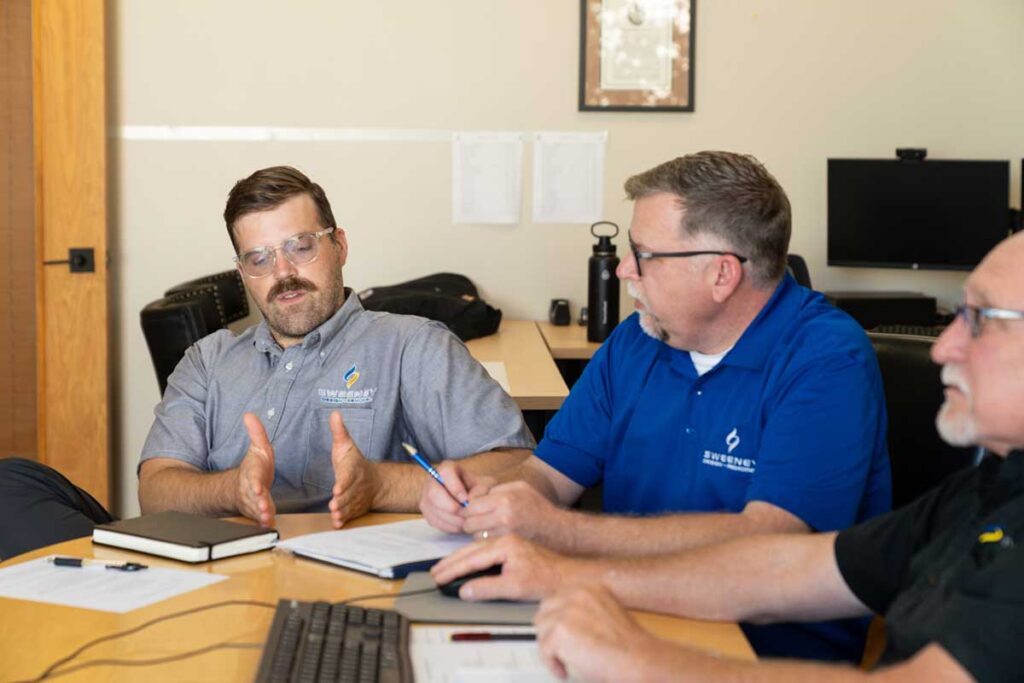
Here are some key ways the design-build model benefits more complex home remodeling projects.
An Integrated Team with Aligned Goals and a Clear Plan
In the design-build approach, architectural designers, estimators, and builders work as a single collaborative unit from day one. This close alignment is critical during a complex home remodel where so many different requirements intersect. Early collaboration reduces unknowns and leads to more accurate documentation. It also helps ensure every system is considered before plans are finalized, which helps with your budget and is more likely to deliver a dream remodel.
Thorough Planning Up Front for a More Efficient Remodel
Early coordination is vital for problem-solving in multi-system remodeling. Electrical upgrades can affect the design and installation of cabinetry or lighting, while plumbing decisions impact framing and waterproofing. The design-build approach addresses these relationships early on, allowing conflicts to be resolved in the design phase rather than during construction. Holistic design ensures that aesthetics and function coexist without conflict.
Smart Budget Planning Before Construction Begins
With the design-build method, estimating is integrated into the entire design process, meaning costs remain visible as decisions are made. Structural additions, design upgrades, and other adjustments are priced accurately before construction begins. This results in fewer change orders and gives homeowners clearer financial expectations throughout a multi-system remodel.
“For me, accurate estimating is everything—and that’s nearly impossible when designers and builders are working separately. During Design-Build, I’m involved early, so when a structural change requires a larger beam or an electrical panel upgrade is needed, I can incorporate those costs before the design is finalized. Clients appreciate that they’re making decisions with full financial clarity instead of being surprised after the fact,” says Ben Lofgren, Estimator & Project Developer.
One Team, One Point of Accountability
Unlike traditional remodeling processes, the design-build philosophy places responsibility with a single team. Together, they are responsible for design outcomes, selections, construction, and warranty. For complex home remodels touching multiple systems, this single-source accountability protects schedules, budgets, and an overall positive homeowner experience.
Real Examples of Complex Remodeling Challenges Solved by Sweeney
Here are some examples of how our team has utilized the design-build approach with complex remodeling challenges.
Project 1: Waunakee Basement Remodel for Entertaining
BEFORE
Before
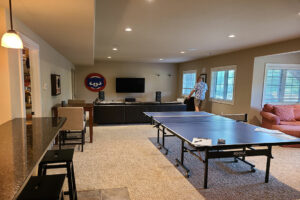
The basement of this 2010 ranch-style home looked nice but lacked the necessary qualities for entertaining family and friends. Structural constraints made the room feel smaller than it was and the existing beverage area felt cramped.
After
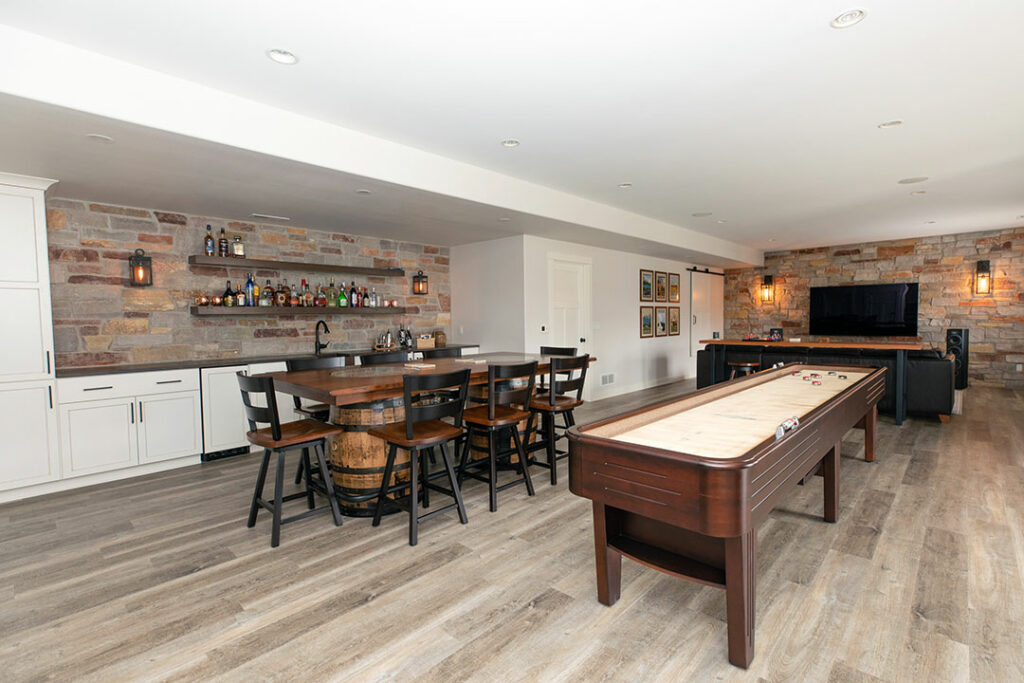
With our structural engineer’s expert guidance, we relocated a load-bearing support column and added new support beams, enabling us to open the floor plan. The reconfigured beverage center improved flow, storage in the cabinetry, and seating options. Luxury waterproof vinyl plank flooring provides durability throughout the space that merges a bar area and gaming/entertainment center for adults of all ages.
Project 2: Extensive Basement Remodel in Verona
Before
The homeowners of this Dane County property wanted an extensive basement remodel to add living space to their existing home. Low ceiling heights, limited headroom, outdated systems, and moisture concerns restricted how the basement was being used.
After
The new basement space includes a bedroom with a walk-in closet, bathroom, workout room, calming room, home theatre, powder room, and kitchenette. To help achieve this remarkable transformation, we lowered the floor and extended the foundation to create proper headroom. Modern HVAC systems were installed to look after drainage, ventilation, and backup power. The result is a fully integrated, multi-system basement remodel designed to perform reliably for decades.
The Homeowner Experience: Predictable, Transparent, and Well-Coordinated
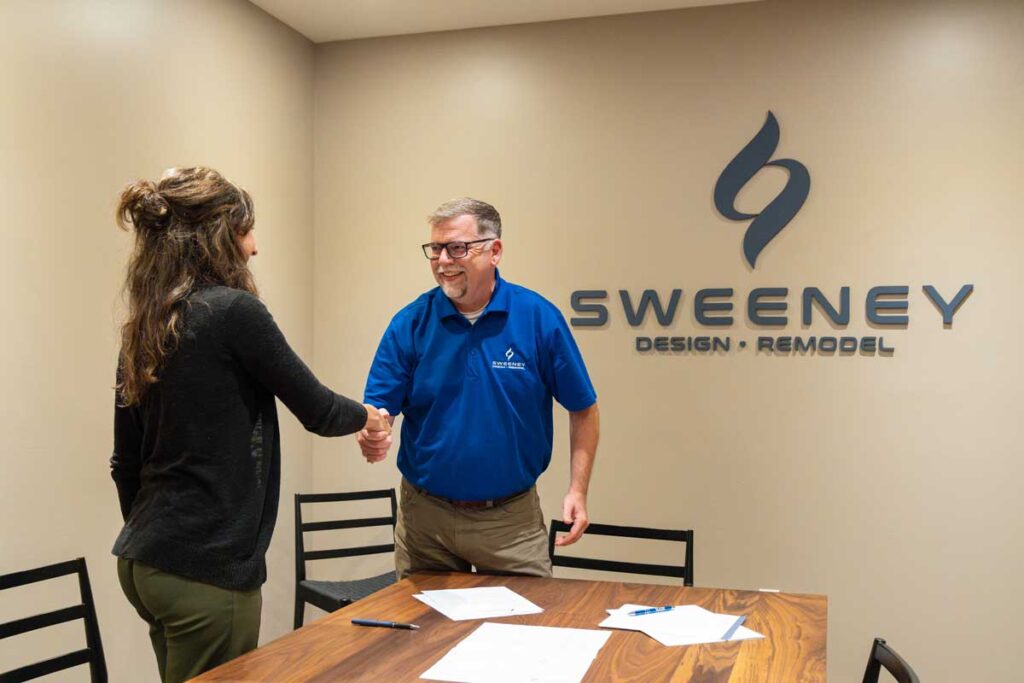
Big, complex remodels carry real financial risk when design, planning, and construction decisions are made separately or made too late. A design-build approach brings those pieces together, keeping your budget and expectations grounded in reality from the very beginning. Instead of guessing, homeowners can see how fixture selections, layout changes, and structural remodeling decisions affect overall costs as the design-build process moves forward. Costs are reviewed, refined, and confirmed as choices are made. Through this approach, there are fewer surprises during construction.
Large complex projects also depend on a clear, logical sequence of work. The design-build method establishes a coordinated plan that aligns permitting, material lead times, mechanical systems coordination, and trade scheduling. With strong project management and clear communication, homeowners know what’s happening, when it’s happening, and why each step matters to the project timeline.
When structure, electrical, plumbing, and HVAC systems all must work together, delays often happen because of handoff gaps between separate contractors or teams operating with different priorities. That’s where design-build remodeling makes a difference.
With one integrated design and construction team responsible for the entire process, coordination becomes much tighter. The project is organized into clear phases, trades are scheduled intentionally, and decisions stay aligned from start to finish. Instead of constant stop-and-start progress, your remodel moves forward steadily, even when the project itself is complex.
Early coordination is one of the biggest advantages of working with a design-build firm. Potential conflicts are identified before construction begins, not after walls are opened. Structural changes, electrical upgrades, HVAC modifications, and other mechanical systems needs are planned together. In this organized approach, rework and mid-project revisions are reduced. For homeowners, that means a calmer experience. One that is built on transparency, dependable planning, and a team approach that keeps your remodel on track.
“After decades in this industry, I can spot the projects that are going to unravel under a design-bid-build approach. When a remodel touches structure, mechanicals, or electrical systems, miscommunication happens fast—and it’s expensive. Our Design-Build model eliminates that. I can walk into a home during the planning phase, point out which systems will be affected, and our team immediately begins coordinating the engineering, budgeting, and design details. It’s the only way to ensure the build phase runs smoothly,” says Tim.
When Complexity Rises, Design-Build Remodeling Shines
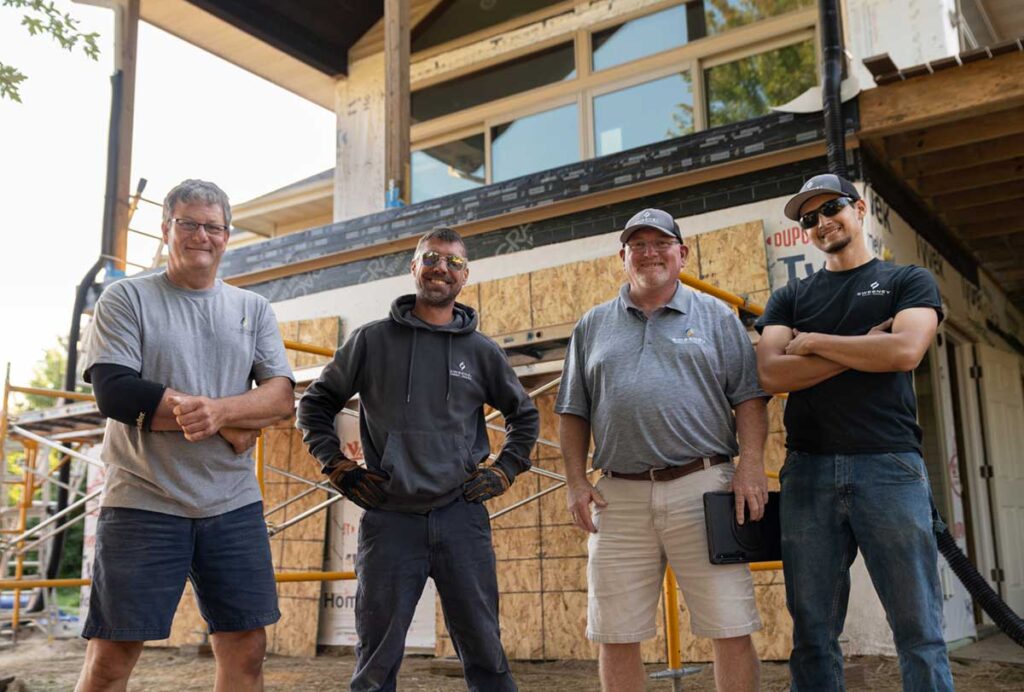
Multi-system remodeling requires integrated thinking and detailed coordination. As shown, complex home remodel projects require decisions made with a full understanding of how all systems connect. The design-build method supports this level of planning, efficiency, and accountability from start to finish.
We’ve been in business since 1954 as a design-build firm. We know firsthand that experience truly matters when complexity increases. At Sweeney, an in-house team works alongside trusted specialists under one roof to manage multi-system remodels with clarity and control. This structure supports predictable scheduling, straightforward communication, and problem-solving that happens early rather than deep into the construction phase.
“If your upcoming remodel affects multiple parts of your home, let’s talk about how our Design-Build approach can bring clarity, confidence, and craftsmanship to every step,” says Tim.
Work with Madison’s Top Design-Build Remodeling Experts
As a trusted remodeling partner, we focus on delivering excellent results on every project. Our four-step design-build process brings design and construction together under one team, creating a smoother, more coordinated home remodeling experience from start to finish.
Our experienced and friendly team guides homeowners through a proprietary design-build process where customers remain informed, engaged, and 100% satisfied. We can do the same with you.
Take a look at our special approach to home remodels, sign up for our newsletter, and reach out to us directly. We look forward to discussing how we can help you achieve the perfect home.