And Why Homeowners Shouldn’t Do It Alone
A whole-home remodel is a significant undertaking, one you choose when you’d rather transform the home you love than move. Unlike a localized kitchen or bathroom renovation, it impacts every part of the home. It’s a complex process that involves design, architecture, engineering, permitting, budgeting, scheduling, and project management.
Above all, a whole-home remodel requires experienced leadership.
In this article, we explore what it truly takes to complete a whole-home remodel, and why it’s strongly advisable to avoid the do-it-yourself approach.
Pre-Construction Planning Is Where Success Is Won or Lost
What happens before construction begins is everything in home remodeling, especially when the scale is larger. Structure, systems, insulation, layout, and traffic flow all play a critical role in a whole-house remodel. Any experienced design-build team will evaluate the home as one connected system.
That’s because a single overlooked detail can result in costly delays, revisions, and potentially hazardous issues during construction.
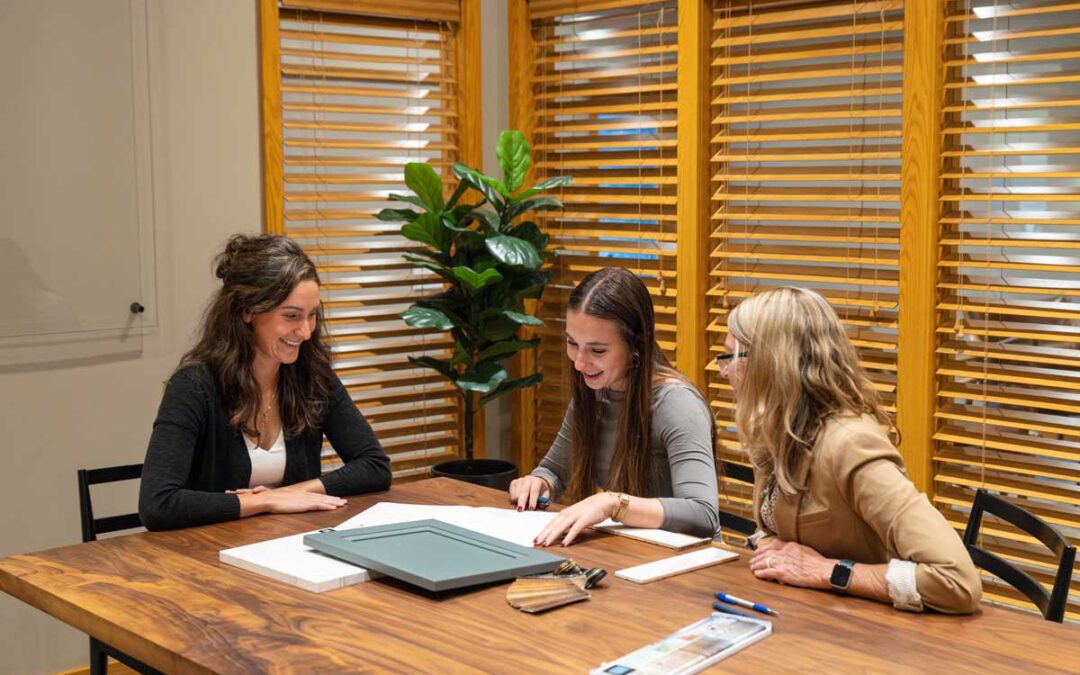
A well-established design-build process begins with aligning scope, budget, and timeline before the design stage moves too far forward. At Sweeney Design Remodel, for example, this starts with an on-site space assessment. While discussing your initial ideas, the team also takes a deeper look at your needs, the home’s existing conditions, and the overall project scope.
We also seek to identify risks early. These include aging infrastructure, zoning restrictions, and permitting hurdles that can all influence the trajectory of your project. This level of upfront project management keeps the remodel grounded in reality from day one.
“Before we ever talk about construction, we’re mapping out how the entire home functions as a system. That early planning is what prevents surprises halfway through the project,” says Tim Sweeney, President and Project Developer.
Design Coordination Across the Entire Home
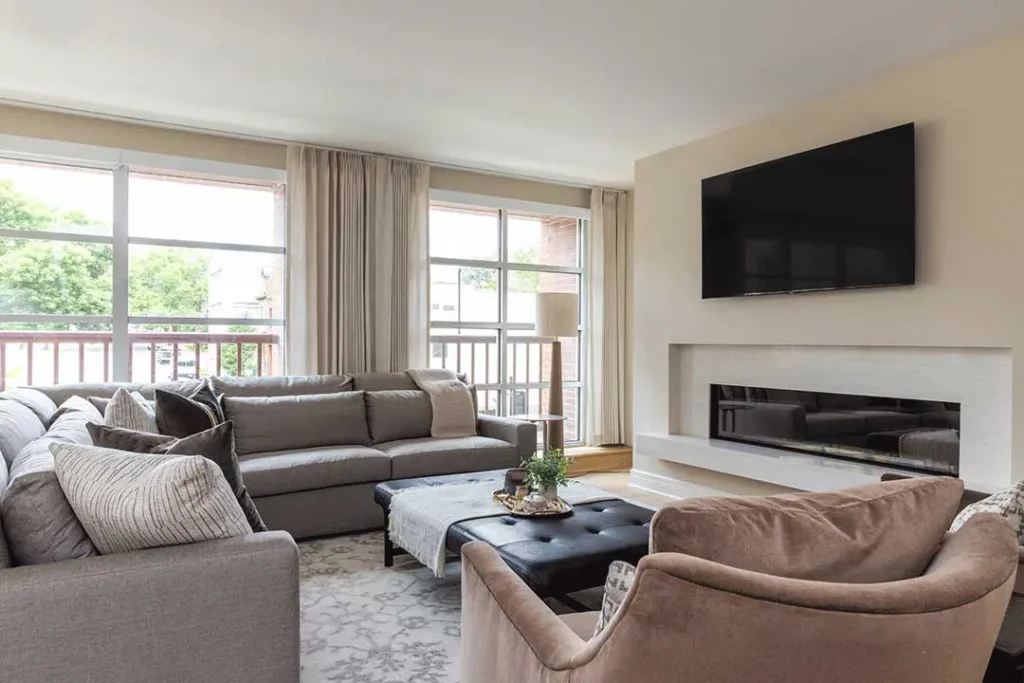
In a whole-house remodel, design decisions influence every other aspect of the home. Maintaining a sense of continuity is therefore important. Layouts, finishes, ceiling heights, sightlines, flooring transitions, cabinetry profiles, and even trim details must feel intentional from the front of the house to the back. Design in isolation can lead to a loss of overall cohesion.
This continuity is best achieved through the close coordination of architects, designers, and engineers. Structural changes inevitably affect mechanical systems such as heating and ventilation, while lighting plans can be influenced by changes in window placement or size. Small adjustments in one area can reshape the layout in an adjacent space. Our role as a design-build remodeling firm is to keep all disciplines aligned, ensuring the vision remains consistent from initial design through final execution.
An example of how homeowner goals are balanced with structural and mechanical constraints can be seen in this complete condo renovation in Madison, WI.
While some homeowners begin a renovation by hiring an architectural firm to develop the design, that approach can create challenges once a general contractor takes over construction. If the plans call for hard-to-source materials or overly complex construction methods, projects can face delays, change orders, and higher-than-expected costs.
A design-build approach keeps the entire project aligned, from the earliest ideas through the final punch list. With a single, integrated team (architects working alongside interior designers and experienced builders) design decisions are informed by real-world construction knowledge and structural considerations. The result is a smarter, more buildable plan that protects your budget, supports your vision, and keeps your project organized and on track.
This process also considers both your current lifestyle and long-term goals. It explores how your home should function not just today, but five or ten years from now. At this level, successful remodeling goes beyond finishes—focusing instead on flow, comfort, and long-term livability.
“Homeowners often think of rooms individually, but our job is to make sure the entire house feels cohesive—from sightlines to materials to how spaces connect emotionally,” says Linda Sweeney, Vice President and Design Consultant.
Managing Trades, Schedules, and Daily Decisions
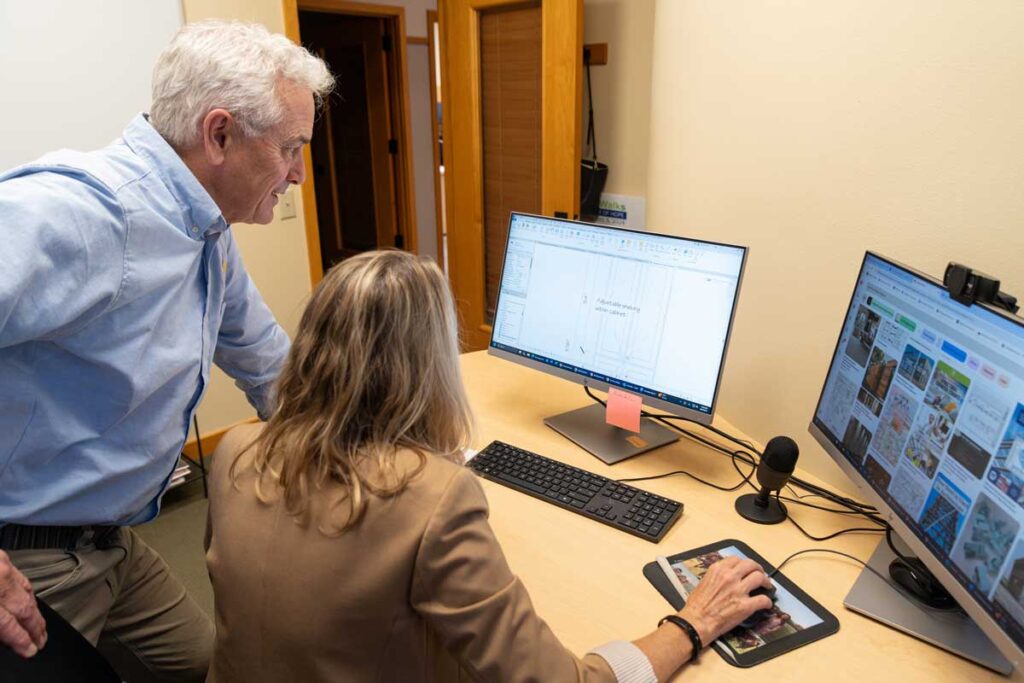
Once construction begins, managing a home remodel becomes a complex, rapidly moving coordination effort. Demolition must be sequenced correctly, while framing, systems, and finishes need to be properly aligned with one another.
During a whole-house remodel, it’s normal for dozens of trade partners and specialists to move through your home over weeks, or even months. Each phase of the remodeling project brings its own schedule, materials, and inspection requirements, and everything has to stay aligned with the project plan.
Plumbing, electrical, and HVAC crews depend on clear timelines. Inspections must be scheduled at the right moments to keep everything moving. Then there are unforeseen issues that cause disruption, including weather delays, product backorders, and unfortunate surprises that require quick problem-solving and decision-making.
With a design-build firm, your Project Manager keeps the project moving forward with a clear plan and consistent oversight. They supervise day-to-day work, coordinate the contractor team, and ensure each step stays aligned with the approved design, including the timing of structural work, inspections, and permit requirements.
Because a whole-house remodel involves countless decisions, often with multiple moving parts across different areas of the home, your Project Manager resolves issues as they arise, protects your budget, and keeps your original vision front and center from start to finish.
“On a whole-house remodel, there are constant moving parts. Homeowners don’t see the hundreds of decisions we’re making behind the scenes to keep everything on schedule,” says Brett Clarke, Project Developer at Sweeney Design Remodel.
How to Stay on Budget During Your Home Remodel
The budget for your whole-home remodel is something to clarify when approaching design-build remodeling firms. Establishing realistic budgets upfront gives structure to every decision you and your remodeling experts will then follow. A reputable firm will help you with budget considerations and financial expectations.
Your budget remains a key factor throughout the remodeling process. After the home is assessed and the project scope is defined, an initial estimate is developed. As the design is finalized, that estimate becomes more refined.
As material selections are made, allowances are tracked carefully. Every decision affects the bottom line, whether it involves layout changes, space expansions, flooring updates, cabinetry upgrades, wall removals, lighting adjustments, or shifts in scope.
Because projects of this scale involve many moving parts, strong project management is essential. Changes should be documented, priced, and approved before work proceeds to keep the project aligned with the plan.
The unexpected can happen even in the best-laid plans. When these issues arise, our role as a design-build remodeling firm is to evaluate options quickly and present clear paths forward. Our ethos is always about protecting homeowners from costly mistakes and delays.
“Our role is to be the buffer between the homeowner and the chaos. When changes happen—as they always do—we manage them strategically, so the project stays financially healthy,” says Tim.
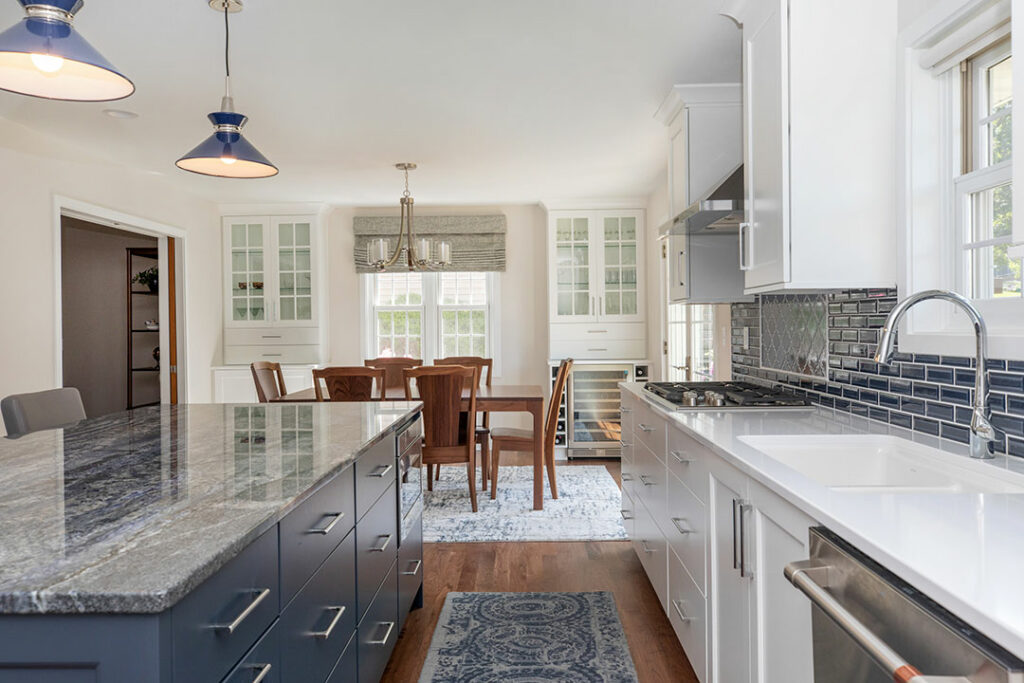
With sensible budget control and good change management, your design-build team will ensure you are also ‘over the top happy’ with the end result, just like these homeowners after their complete home remodel in Madison.
Living Through Construction (and Protecting the Homeowner Experience)
Even the most patient homeowner can be tested during a whole-house remodel. Rooms are closed off, and daily routines are inevitably disrupted. There’s also the noise, dust, and equipment that can make it difficult to maintain a clean environment throughout the project. However, these disruptions can be minimized with thoughtful project management.
Remodeling work can be phased to keep essential spaces functional for as long as possible. Clear safety protocols help protect everyone in the home, while consistent cleanup practices reduce mess and debris. An experienced, reputable design-build firm will also take care to protect flooring, seal off work zones, and maintain an organized jobsite.
Clear, consistent communication keeps homeowners informed about weekly progress and upcoming decisions. Strong project management creates a steady flow of updates, allowing you to stay focused on your day-to-day life while the project moves forward.
Within a design-build firm, the Project Manager serves as your primary point of contact. Instead of feeling uncertain about what’s happening, homeowners receive regular updates on progress and key milestones.
Such controlled project management ensures that even when surprises appear, such as the discovery of vermiculite insulation (asbestos) during this interior home remodel in Nakoma, the issues can be taken care of quickly, effectively, and collaboratively.
“A whole-home remodel can be emotionally taxing. Clear communication and thoughtful planning make the difference between a stressful experience and a positive one,” says Linda.
Why Whole-House Remodels Require a Professional Team
A whole-house remodel is a complex undertaking that requires experience, systems, and accountability. Without strong planning and coordination, small missteps can quickly turn into costly setbacks.
Just as important as the work itself is the approach. In a traditional design-bid-build model, an architect completes the design first, and contractors are then asked to bid on the project. This separation often creates challenges—materials may be unavailable, construction methods may need to change, or hidden conditions may require scope adjustments. With multiple parties and separate responsibilities, miscommunication, delays, and costly rework are common.
A design-build approach brings everything together under one team, providing a single point of accountability from start to finish. This integrated process keeps the project aligned, protecting your budget, timeline, and overall experience.
Work with a Design-Build Remodeling Team in Madison, WI
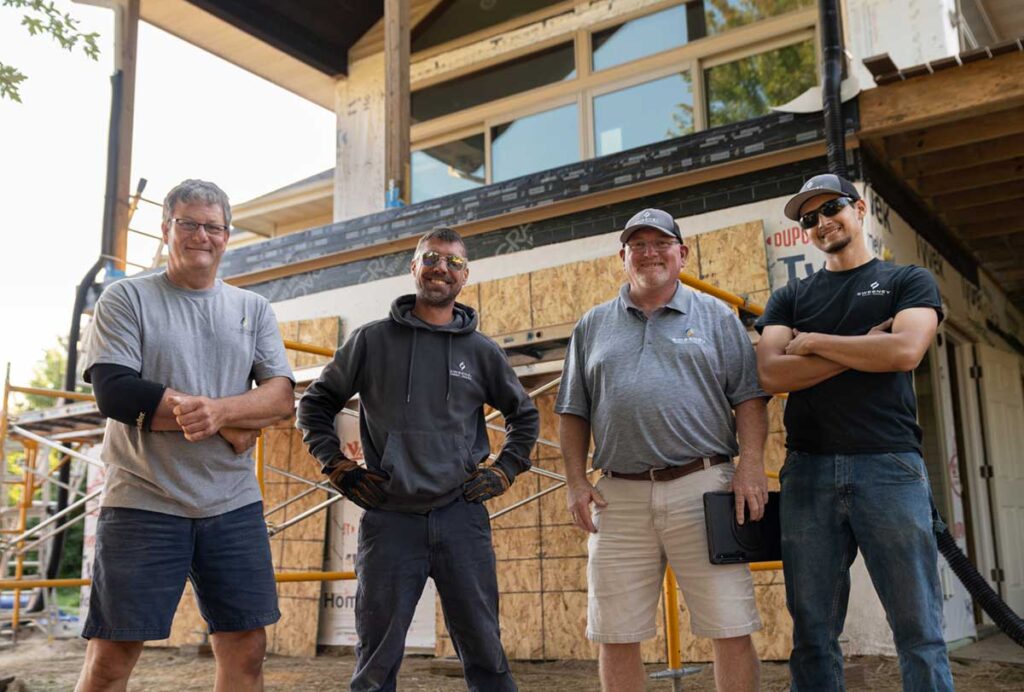
As one of the most trusted names in remodeling, we ensure fantastic results for every project we complete. Our 4-step design-build methodology seamlessly integrates both the design and build elements of a project.
Our experienced and friendly team guides homeowners through a proprietary design-build process where customers remain informed, engaged, and 100% satisfied. We can do the same with you.
Take a look at our special approach to home remodels, sign up for our newsletter, and reach out to us directly. We look forward to discussing how we can help you achieve the perfect home.