
Design-Build vs. Traditional Remodeling: What's the Difference?
When you’re planning a home remodel, one of the first decisions you’ll make is how to approach the design and construction of your project.
Should you hire an architect or designer first and then find a contractor to build it? Or would you benefit from working with a design-build remodeling company that manages both?
Both approaches can produce beautiful results, but there are important differences in how projects are planned, budgets are developed, decisions are made, and responsibilities are shared.
With traditional remodeling, homeowners typically work with separate design and construction professionals. With design-build remodeling, those services are brought together under one company, allowing design ideas, construction requirements, and investment considerations to be evaluated together from the beginning.
For homeowners in Madison and throughout Dane County, understanding these differences can help you choose an approach that fits your project, priorities, and expectations. Let’s explore how each works, the advantages and considerations of both, and what you should know before deciding how to move forward.
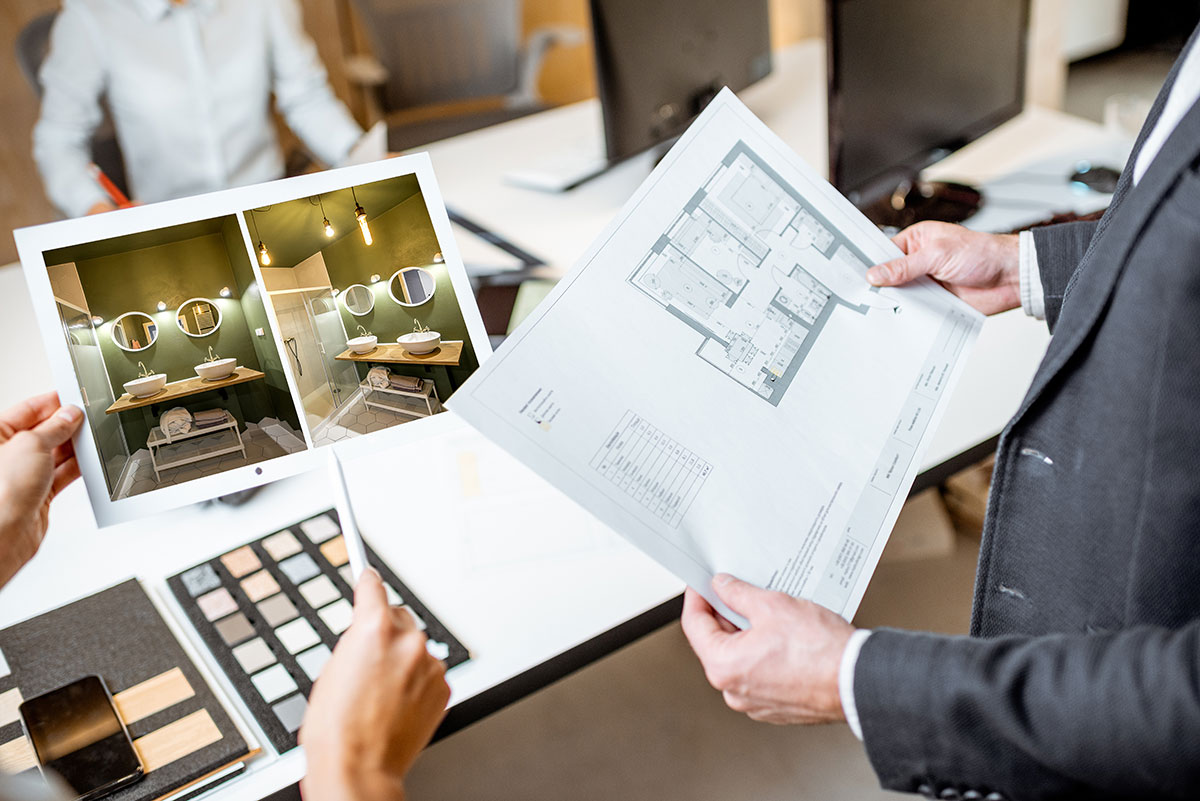
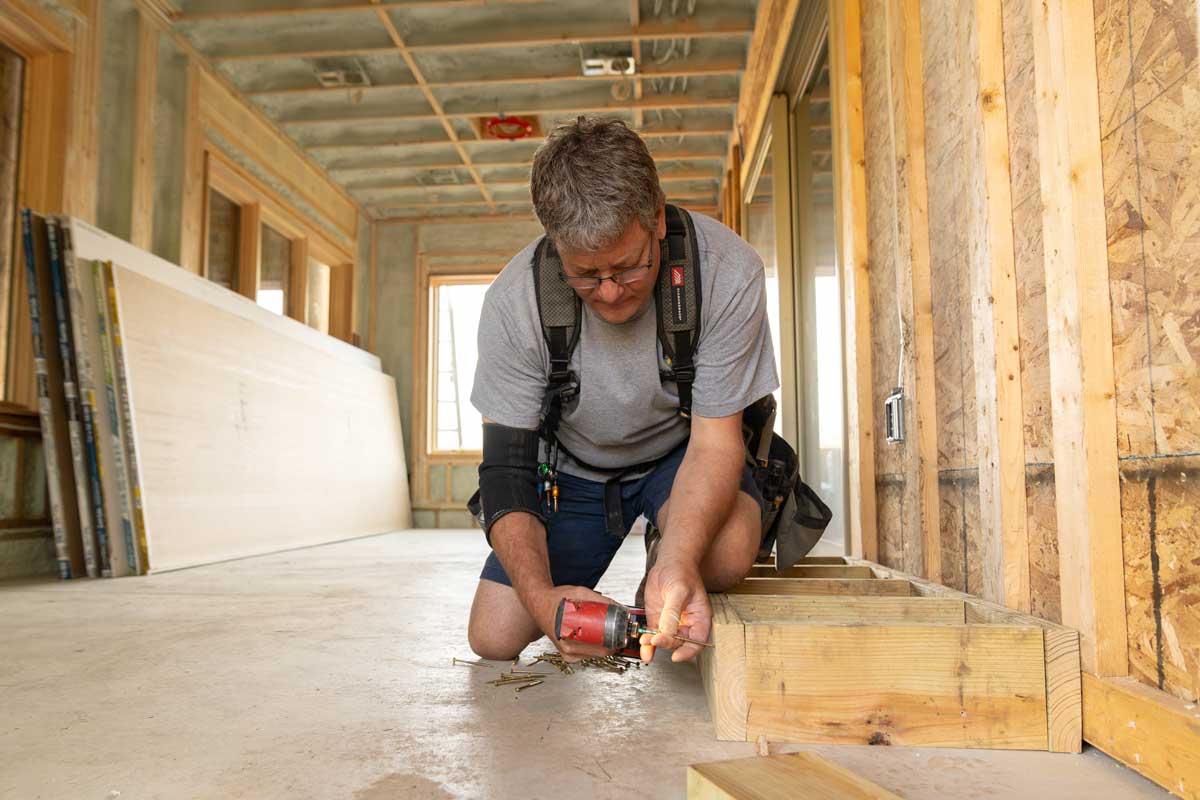
How Design-Build and Design-Bid-Build Remodeling Compare
Both design-build and traditional design-bid-build can lead to successful remodeling projects. The key differences involve who manages design and construction, when construction expertise enters the planning process, and how budgets, decisions, and communication are handled along the way
Traditional Design-Bid-Build Remodeling
With this approach, homeowners typically hire an architect or designer to develop plans, then seek bids from general contractors to complete the construction.
- Separate design and construction professionals. You typically hire an architect or designer first, then select a contractor once the plans are complete.
- Greater flexibility to compare construction bids. You can request proposals from multiple contractors and evaluate pricing, qualifications, and approaches before selecting a builder.
- More coordination between professionals. You may need to help facilitate communication, design clarifications, and decisions between the architect or designer and contractor.
- Construction input may come later. Practical considerations such as structural requirements, material availability, construction methods, and costs may not be fully evaluated until contractors review the completed plans.
- Potential for unexpected budget adjustments. If the design was developed without construction pricing input, contractor bids may exceed the anticipated budget, requiring revisions to the plans or project scope.
This approach can work well for homeowners who prefer independent design and construction relationships, want to compare multiple contractor bids, and are comfortable taking a more active role in coordinating the project.
Design-Build Remodeling
With design-build, one remodeling company manages both design and construction, allowing the two disciplines to work together throughout the project.
- One coordinated team. You work with a company responsible for both design and construction, reducing the need to manage separate professional relationships.
- Simplified communication. Questions, decisions, and project updates are coordinated within the same team, giving you a clearer path for getting answers.
- Earlier construction input. Designers and construction professionals can evaluate structural conditions, materials, feasibility, and potential challenges while the design is being developed.
- Budget considerations throughout design. You can better understand how layout changes, materials, and other design decisions may affect the overall investment before finalizing the plans.
- Greater emphasis on choosing the right team upfront. Rather than developing plans and then soliciting multiple construction bids, you select a design-build company to guide the project through both phases.
- A more guided homeowner experience. With one team coordinating design and construction, you can focus on making informed decisions about your home rather than managing communication between separate professionals.
Design-build can be especially appealing to homeowners who value collaboration, early budget discussions, and a single team responsible for guiding the remodel from initial planning through construction.
Consideration
Professional Relationships
Construction Involvement
Budget Planning
Communication
Contractor Selection
Homeowner Coordination
Design-Bid-Build
Separate designer and contractor
Typically after initial design
Construction bids generally follow design
Across separate parties
After plans are developed
Often greater
Design-Build
One integrated company
During design development
Cost considerations inform design
Coordinated within one team
Earlier in the process
Generally reduced
Our integrated design-build approach brings designers and construction professionals together early, helping you evaluate ideas, understand potential challenges, and make informed decisions throughout your project.
How Design-Build Can Improve Your Remodeling Experience
Choosing how your remodel will be managed affects your experience from the first design conversations through the final stages of construction. With design-build, the collaboration between designers and construction professionals can provide several important advantages.

More Confidence in Your Remodeling Budget
One of the biggest concerns homeowners have is whether their remodeling plans will align with what they’re prepared to invest.
With design-build, construction costs are considered as the design develops. Rather than waiting until plans are complete to discover what a contractor will charge, you can evaluate design options, materials, and project scope with a better understanding of their potential costs. This allows you to prioritize what’s most important, explore alternatives, and make informed decisions before committing to construction.
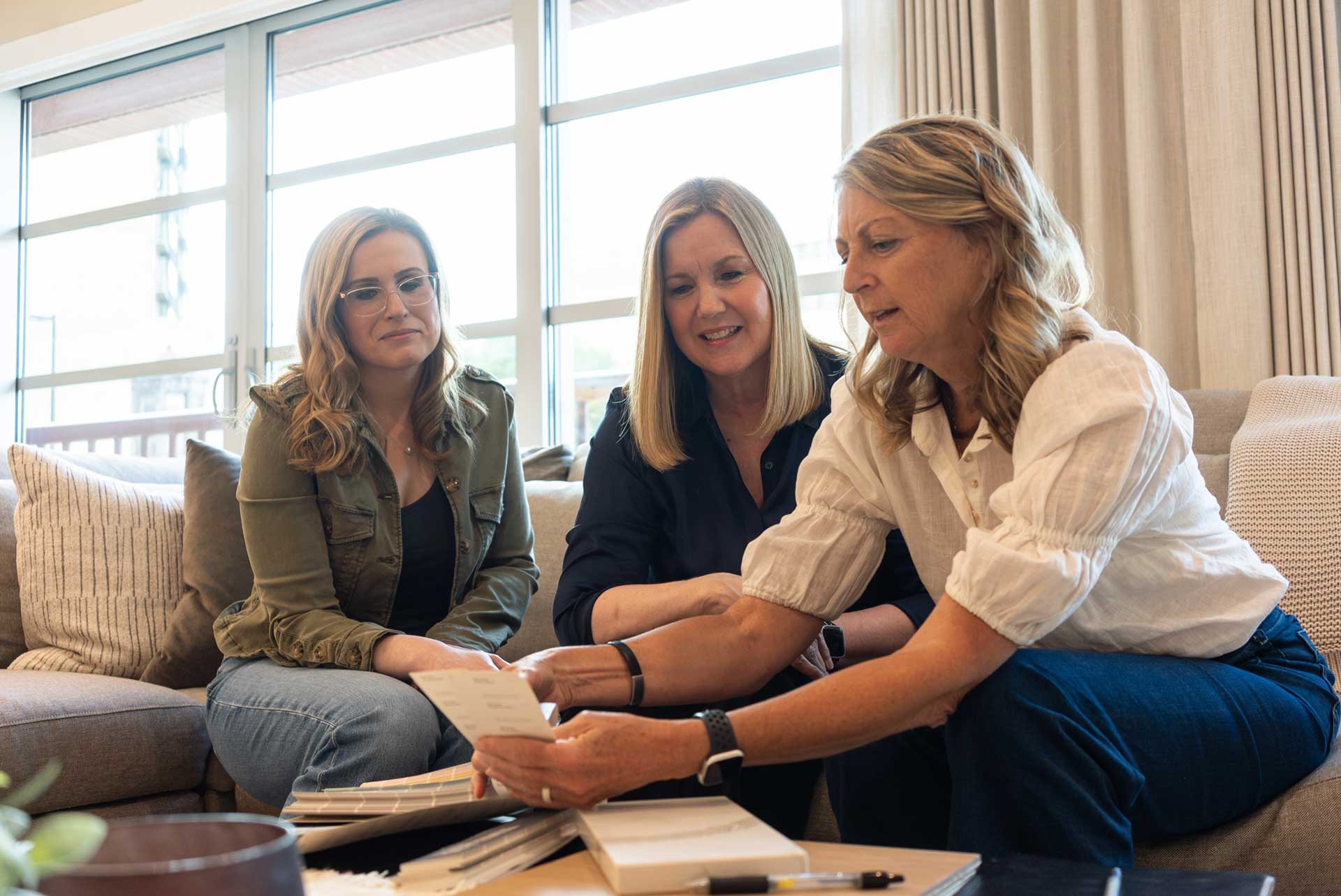
Clearer Communication and Accountability
When separate companies handle design and construction, homeowners may find themselves coordinating conversations, resolving questions, or determining who is responsible for a particular decision.
With design-build, one company oversees both disciplines. Designers and construction professionals work together to address questions, coordinate details, and keep the project moving forward. For you, that means a clearer understanding of whom to contact, where responsibilities lie, and how decisions are being managed.

Better Preparation for Remodeling
While no remodeling approach can eliminate surprises, a coordinated design-build team can work together to evaluate the situation, explain your options, and determine how proposed solutions may affect the design, budget, or schedule.
Having designers and construction professionals working together can make those decisions easier to navigate. Ultimately, the value of design-build comes from having design, construction, and budget considerations connected throughout your remodel. You remain involved in the decisions that matter most, with a coordinated team helping you understand your options and move forward with confidence.
Ready to Talk Through Your Remodeling Goals?
Every successful remodel starts with understanding what you want to accomplish, what matters most to you, and what you’re comfortable investing.
At Sweeney Design Remodel, we take the time to listen, answer your questions, and help you explore what’s possible for your home. Our experienced design-build team works with homeowners throughout Madison and Dane County, bringing thoughtful design, practical construction knowledge, and open communication to every project.
Questions About the Design-Build Remodeling Process
How Long Does a Design-Build Remodeling Project Take?
The timeline depends on the size and complexity of your remodel, design decisions, material selections, permitting, and construction requirements. Larger projects, such as home additions or whole-home renovations, generally require more time than smaller remodels. With design-build, planning and construction schedules are considered together early in the process, helping you understand what to expect and prepare for each phase of your project
When Is the Remodeling Budget Finalized?
With design-build remodeling, budget discussions begin early in the planning process and continue as your design takes shape. As layouts, materials, and project details are developed, costs are evaluated to help keep your plans aligned with your investment goals. Final pricing is established once the construction scope, plans, and selections are confirmed, giving you a clearer understanding of your financial commitment before construction begins.
What Are the Disadvantages of Design-Build?
One consideration is that you select your design-build firm before the design is complete, rather than seeking competitive construction bids from multiple contractors afterward. This makes choosing the right team especially important. Before committing, ask about design fees, pricing transparency, contract terms, and how decisions and changes are managed. Understanding these details will help you determine whether the firm’s approach aligns with your expectations and remodeling goals.
Can You Live at Home During Remodeling?
Whether you can remain in your home depends on the scope of your remodel, which areas will be affected, and how construction may disrupt your daily routine. For smaller projects, staying home may be manageable. Larger renovations involving kitchens, bathrooms, or essential utilities may make temporary accommodations a better option. Your design-build team can help you understand what to expect during construction so you can plan accordingly.
AREAS WE SERVE
Proudly serving Dane County, including:
Fitchburg | Harlan Hills | Madison | Maple Bluff | McFarland | Middleton | Monona | Nakoma | Shorewood Hills | Sun Prairie | Westmorland