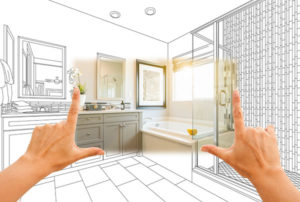

If you’re planning a home addition, you might be wondering, “Should I hire an architect or consider a design build firm instead?” It’s a question many homeowners face when they’re eager to create more space but aren’t sure where to begin. While calling a licensed architect first may seem like the natural starting point, it’s worth exploring how the design-build approach can create a far smoother experience that’s exactly what you need. In this post, we’ll help you look understand the difference between the two approaches.
A Complex Home Addition Requires a Different Kind of Partner
Expanding your home is one of the most exciting—and technically demanding—projects you can take on as a homeowner. Whether you’re adding a second story, building a new primary suite or creating a larger, more functional kitchen, a home addition is far more complex than a standard interior remodel. There are architectural considerations to take account of. It’s a multi-trade, multi-sequence, high-risk endeavor where every decision cascades into the next, affecting cost, schedule, structural integrity, comfort and long-term resale value.
Most homeowners begin the journey by researching and hiring an independent residential architect. After all, it seems like the natural first step. However, many people quickly discover that the traditional architect-then-builder model leaves them with major gaps, unexpected costs and inefficient hand-offs.
There’s a better way.
Increasingly, homeowners are turning to design-build firms—integrated teams who manage architecture, engineering, estimating and construction under one roof. And for good reason: design-build dramatically reduces risk, aligns aesthetic vision with real-world feasibility, and delivers a smoother, more predictable experience from concept to completion.
Separate Architect and General Contractor = Hand-Off Risk and Rework

In a traditional project structure, homeowners hire an architect to draw their plans, then put those plans out to bid with general contractors. The problem? Beautiful drawings don’t guarantee buildability or affordability. When architects design without a builder’s structural, mechanical and cost knowledge, homeowners often face a series of unpleasant surprises like:
- Architectural plans created without real-world feasibility input. Architects aren’t responsible for managing material availability, construction methods, trade scheduling or site challenges. Elements that look great on paper can be structurally impractical, code-prohibitive or far beyond your initial budget.
- Budget surprises during bidding. After receiving the architect’s construction plans, the homeowner sends them out for contractor pricing, only to discover the project costs 30-50% more than expected. At this point, they have to accept the higher cost, redesign the project, or abandon their original vision.
- Change orders, delays and redesign loops. Once construction begins, contractors often uncover structural issues, unclear details or missing information. These gaps can lead to change orders, costly in-field fixes, and delays that extend your project timeline.
- Accountability spread across multiple parties. If an issue arises, the residential architect may blame the contractor for misunderstanding drawings, while the contractor blames the architect for unclear documentation. The homeowner ends up mediating the dispute.
As Tim Sweeney, President and Project Developer at Sweeney Design Remodel, explains, “By the time we’re called in to ‘rescue’ a project that started with an independent architect, the client is already fatigued. The drawings look beautiful, but they weren’t build-informed. We end up value-engineering or redrawing portions just to make the house addition possible within the clients’ real-world budget.”
Design Build Keeps Feasibility, Cost and Buildability in View from Day One
Design-build firms integrate architecture, estimating, engineering and construction into a single cohesive process. Your designer and project developer work together from the first conversation through the final walkthrough. Here’s what you can expect:
- Integrated estimating through the design phase. With design-build, budgets aren’t an afterthought. As the design evolves, so does the cost model. Homeowners understand the price implication of choices in materials, structural changes, mechanical relocations before committing to them.
- Structural and MEP (Mechanical, Electrical + Plumbing) considerations addressed at the start. Load paths, rooflines, HVAC rerouting, electrical and plumbing are affected every time an addition interfaces with an existing structure. Your design-build team includes these realities early so the design is grounded in what’s physically and financially reasonable.
- No scope gaps between design and construction. Because the same company is responsible for both design and construction, details are clarified internally and not left for the homeowner to reconcile.
- Real-time budget refining. Instead of “We’ll price it later,” homeowners enjoy continuous cost clarity. Budget ranges are refined in real time as the design evolves.
“In design-build, I’m costing and sequencing right alongside the design as decisions are made,” says Brett Clarke, Project Developer at Sweeney Design Remodel. “Homeowners never get that ‘We’ll tell you the price later’ moment—they make design choices with cost clarity in hand.”
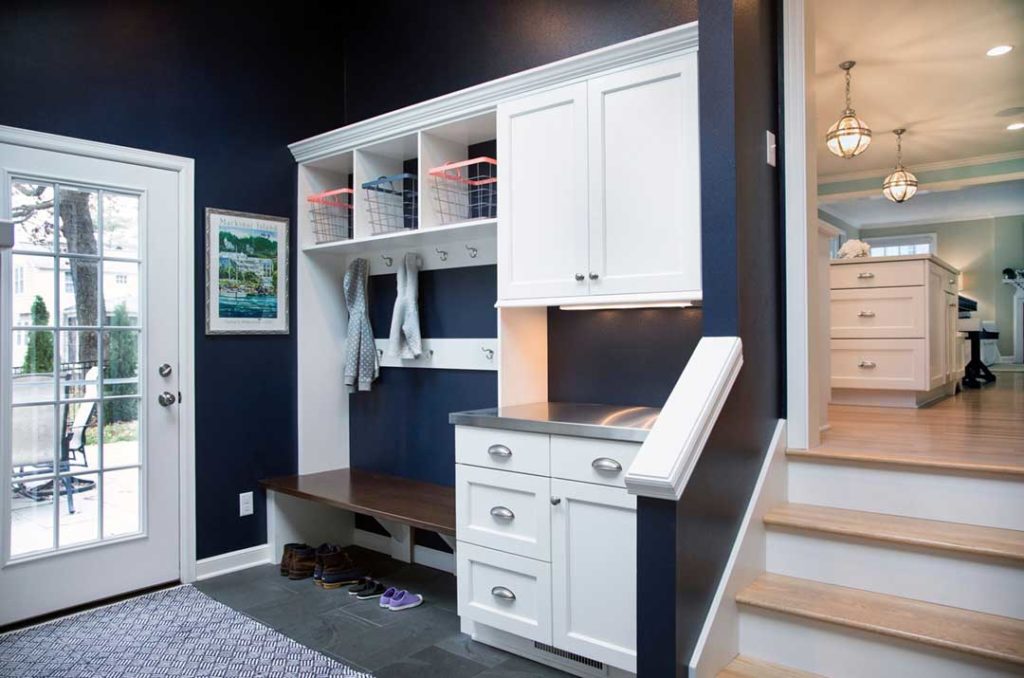
See our Madison Transitional Kitchen and Mudroom Addition
Related: Planning and Building a Home Addition: 6 Tips to Consider Before Taking the Plunge.
Complex Additions Require Field-Informed Design, Not Theoretical Plans
Home additions require intimate knowledge of your home’s bones, systems and vulnerabilities, especially in the older, architecturally-rich neighborhoods around Madison and Sun Prairie. Items your design-build firm will address include:
- Rooflines, load paths and structural tie-ins to the existing structure. Where will new loads bear? How will the new roof integrate with the existing one? Will the addition require foundation modifications? These questions are often overlooked in early architectural concepts, yet can add tens of thousands of dollars to a project if discovered in the field.
- MEP integration. Older homes rarely have “room to spare” in their mechanical systems. Furnace capacity, electrical panels and plumbing paths must be assessed during the design phase.
- Occupied-home logistics. Since most clients live in their homes during construction, issues like temporary walls, weather windows, staging zones, delivery timing, noise management and weather-driven sequencing dramatically influence how the addition is designed and executed.
- Historic Landmark considerations. Neighborhoods with landmark restrictions can restrict exterior materials, window replacements or additions visible from the street. Understanding the guidelines is essential before the first drawing is made.
- City/County/State building codes. Setbacks, height restrictions and energy codes all shape what’s possible on your lot and influence your addition’s design. Evaluating these constraints early helps avoid costly plan revisions and approval delays.
- Permitting and Coordination. Design-build firms manage pre-application meetings, engineering approvals, variances and permit submissions directly. You benefit from faster approvals and far fewer unknowns.
“Additions are surgical,” Tim says. “You’re opening up an existing structure and tying in new load, new envelope and new systems. You either catch constraints in design or pay for them in the field. A design-build firm like ours catches them upstream.”
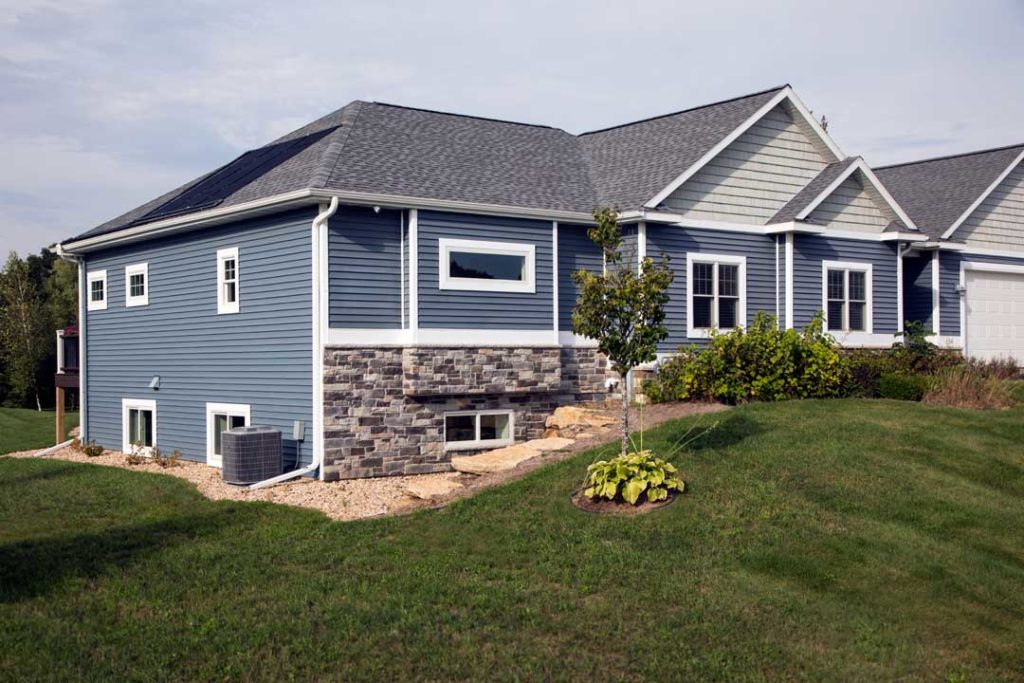
See our Sun Prairie ADA-compliant Two-Story Home Addition
One Responsible Party = Predictability, Not Finger-Pointing
For busy couples and homeowners who value reliability and time efficiency, single-source accountability is a great advantage. When you hire a design-build firm, there is one contract, one schedule and one warranty, and that means:
- No inter-party disputes
- Fewer owner decisions and hand-offs
- Clear ownership of all design details and construction outcomes
- Seamless trades coordination
“When we own both the design and the build, there is no ‘that’s on the architect’ conversation,” Brett explains. “If an issue surfaces, we solve it. The client isn’t stuck managing the dispute.”
The Real Benefits of Choosing Design Build for Your Home Addition
At its core, design build is about creating a more predictable, less stressful, more cost-controlled remodeling experience. For complex home additions, the benefits are especially impactful:
- Fewer redesigns and unexpected costs. Because feasibility and pricing are built into the design process, you avoid the costly “re-draw and re-bid” cycle.
- Tighter schedules. With internal coordination between design, engineering and construction teams, project timelines are shorter and more reliable.
- A design that survives the budget process. In a traditional architect/contractor delivery, many architectural concepts must be simplified or eliminated once pricing comes into play. In design build, the initial design is shaped around your budget so your vision is more fully realized.
- Seamless communication and fewer homeowner responsibilities. Instead of serving as the go-between for architects, contractors, engineers and inspectors, you have one point of contact throughout the project.
- Better resale value. Design-build projects tend to show better craftsmanship, system integration and long-term durability—all of which support your home’s resale value.
Related: Whole-Home Remodel vs. Addition: Which is Right for You?
Hire a Design Build Firm like Sweeney Design Remodel for Your Home Addition
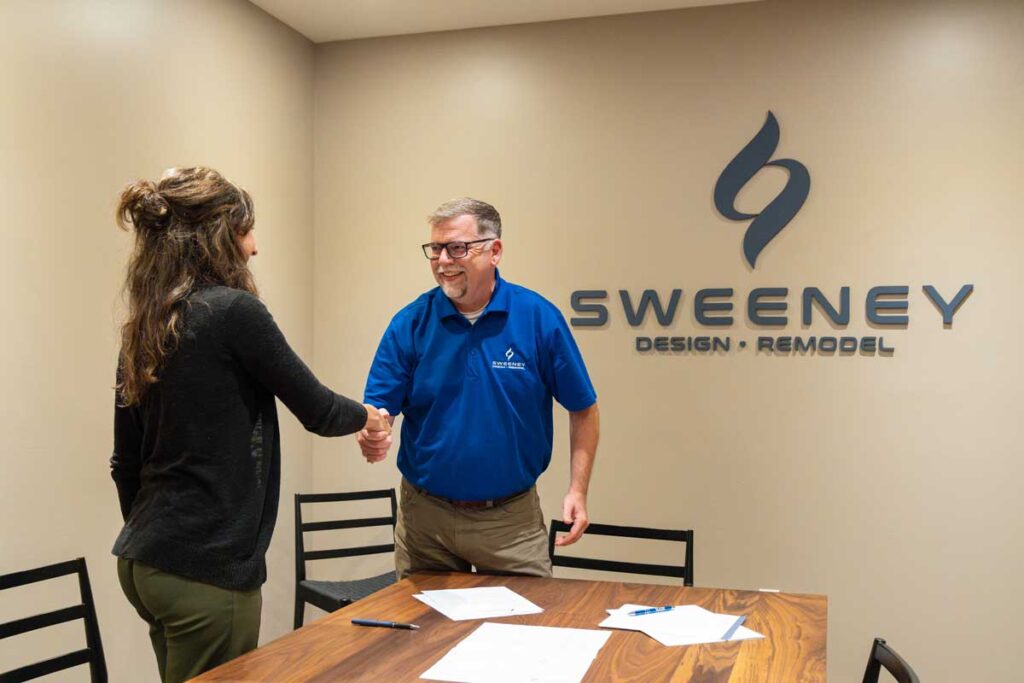
A home addition is one of the most significant investments you’ll make in your property. Partnering with a firm that integrates design, engineering, pricing and construction ensures a smoother, more predictable and more satisfying experience, and produces a finished space that truly enhances your home and lifestyle.
For more than 70 years, Sweeney Design Remodel has helped homeowners in Madison, Sun Prairie and surrounding communities expand their living spaces with creativity, precision and architectural sensitivity. From high-end kitchen additions to multi-story expansions, and to accessible and aging-in-place designs, Sweeney’s award-winning design-build team guides homeowners through every stage of their home renovation journey with confidence and clarity.
Ready to Explore Your Home Addition? Contact Us.
Whether you’re just starting to explore the idea, or already have your home addition vision in mind, Sweeney Design Remodel can help you move forward. Schedule a consultation/feasibility call to discuss your goals, explore budget ranges and get expert guidance tailored toward your complex home addition.
For more inspiration, check out our portfolio of whole-home and home addition projects.
And don’t forget to sign up for our newsletter.