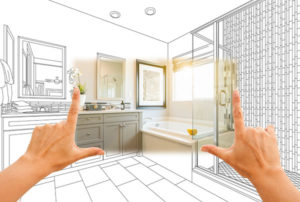
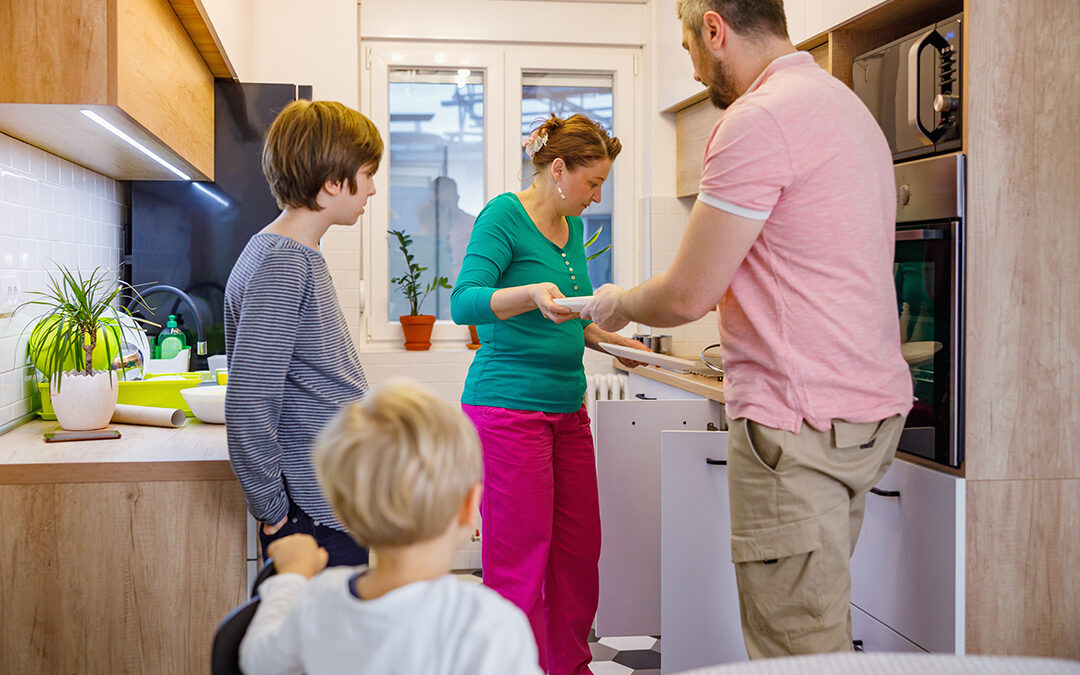
Poor home layouts are the reason behind many frustrations faced by homeowners in Madison, WI. A home’s floor plan influences how you move around the house, how you gather with friends and family, and how you fulfil your lifestyle preferences. Cosmetic enhancements, such as new cabinetry, décor, and lighting, can transform the look, but when the flow is just not there, there’s always going to be a frustrating misalignment.
In this article, our team of experienced design-build designers and construction experts look at the common symptoms of a poor layout, when architectural redesign is a sensible choice, and the options available to you.
When Beautiful Finishes Can’t Fix a Bad Layout
From our experience at Sweeney Design Build, many homeowners try cosmetic updates to overcome what they perceive to be a problematic space. These changes can certainly improve how an interior looks, but they rarely improve how it actually functions.
The core problem is a poor layout, and it cannot be rectified with new countertops, updated lighting, or a fresh coat of paint. Layout issues tend to reveal themselves in everyday moments, such as bottlenecks in the kitchen, awkward transitions between rooms, or feeling cut off from guests during a dinner party.
In many older homes, poor home flow is built into the structure itself, shaped by dated priorities and closed-off floor plans. In both modern and older homes, real improvement starts with architectural modifications, rather than with materials or streamlined fixtures.
What “Poor Flow” Really Means in a Home
The flow of the home is how spaces relate to each other and whether movement through the property feels natural or interrupted. Poor flow occurs when the layout fails to support the homeowner’s lifestyle, habits, and physical abilities.
Poor flow can manifest in a variety of ways. Living spaces feel disconnected from the rest of the house, while kitchens might be closed off from gathering spaces, dining areas, and additional food-prep and storage features, such as walk-in pantries.
Hallways and walls can also interrupt natural movement and sightlines, making the space feel cramped. Walls placed for past lifestyles and structural norms can force long, awkward routes between rooms that should feel connected.
What’s more, poor flow can make rooms feel smaller, darker, and less welcoming, even when square footage is generous. Architectural redesign addresses these layout issues to better align circulation with unique family needs and modern lifestyles.
“One of the first things I tell homeowners is that if you’re constantly walking around walls instead of through spaces, no amount of new finishes will change how the home feels,” says Tim Sweeney, President and Project Developer.
Why New Finishes Alone Fall Short
Magazines and home improvement shows can sometimes give the impression that new colors and finishes can make a space appear larger and brighter. While that can be true, they do nothing to actually change how you move through your home.
New cabinets, flooring, wall paint, or lighting don’t change circulation because the underlying floorplan remains exactly the same. In some cases, upgraded finishes draw more attention to tight pathways, blocked sightlines, and rooms that feel cut off from one another. They highlight flaws rather than fix them.
We’ve met many homeowners who were unhappy with previous contractors after investing in finishes without addressing flow. When optimizing the layout is prioritized, everything else becomes far more effective in supporting the new space.
“I’ve seen beautifully selected finishes installed into homes that still feel choppy and closed off. Without rethinking the layout, the design never gets the chance to truly shine,” says Linda Sweeney, Vice President and Design Consultant.
How Architectural Redesign Transforms the Way a Home Lives
Architectural redesign transforms how you experience your home. The reworking of walls, openings, and sightlines supports natural movement rather than interrupting or containing it.
The alignment of the kitchen, dining room, and living areas means these spaces connect with one another in a way that feels intuitive and natural rather than forced. This connection is especially important for households where hosting and entertaining family and friends is important.
The redesign of architectural elements also improves scale, proportion, and the balance between spaces. Poor home flow gives way to clearer circulation and stronger visual connections, helping light travel deeper into the home.
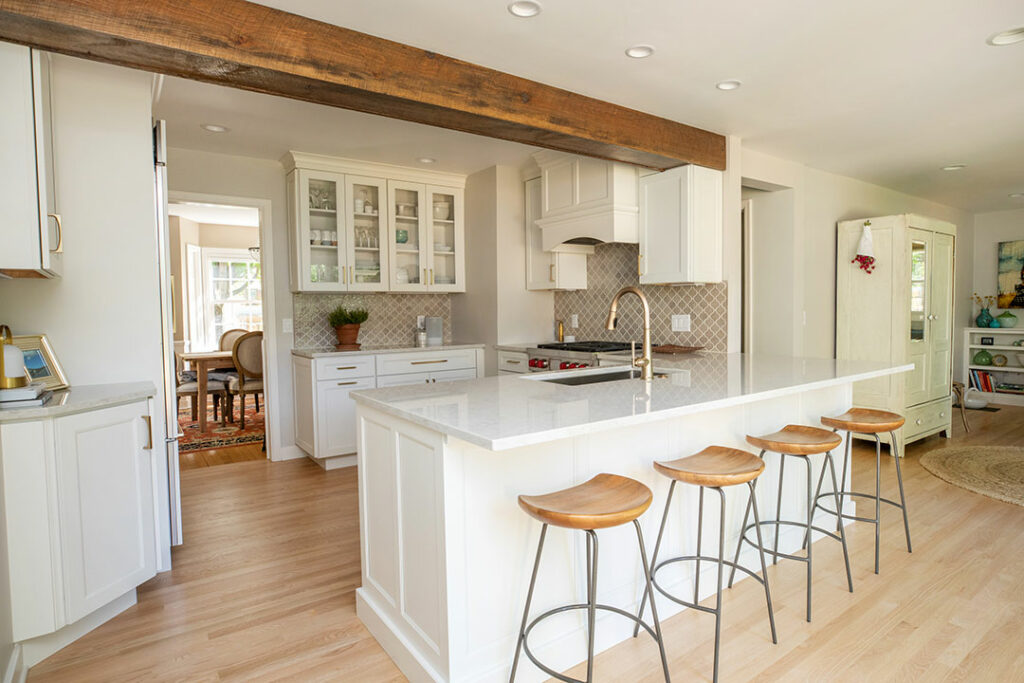
As an example, in this design-build remodel we completed in Madison’s historic Nakoma neighborhood, we removed the wall separating the dining room from the kitchen. This modification resulted in a larger, brighter space and extra room to incorporate a discrete pantry/mudroom.
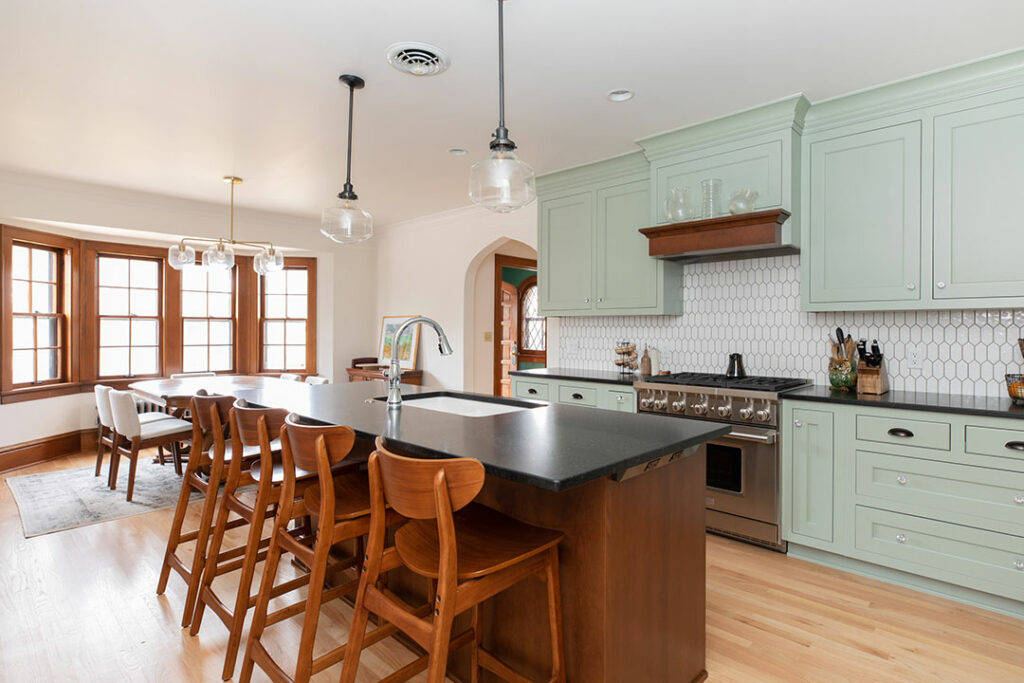
“When we redesign the architecture, homeowners immediately notice how much easier it is to move through the house. The home starts working with them instead of against them,” says Brett Clarke, Project Developer.
Signs Your Home Needs Redesign—Not Just Remodeling
A poor home layout shows itself in both obvious and subtle ways. Frustrations creep in, and you find yourself feeling disconnected from your home. If you avoid rooms because they lack the look, functionality, and flow you ultimately prefer, then the layout is likely the key issue.
If you love to regularly entertain, hosting can feel uncomfortable when circulation paths cut through seating areas or when gathering spaces are too far apart. The obstruction of natural light by walls and other structures makes interior spaces feel dark, gloomy, and smaller than they actually are.
Over time, families also change, and a layout that once worked can feel out of sync with how daily life looks now. Architectural redesign allows you to adapt your home to suit different needs and updated lifestyles, as well as creating spaces that align with anticipated future requirements.
“If homeowners tell me they’re planning a major remodel but keeping the same walls ‘to save money,’ that’s usually a red flag. Those walls are often the problem,” says Tim.
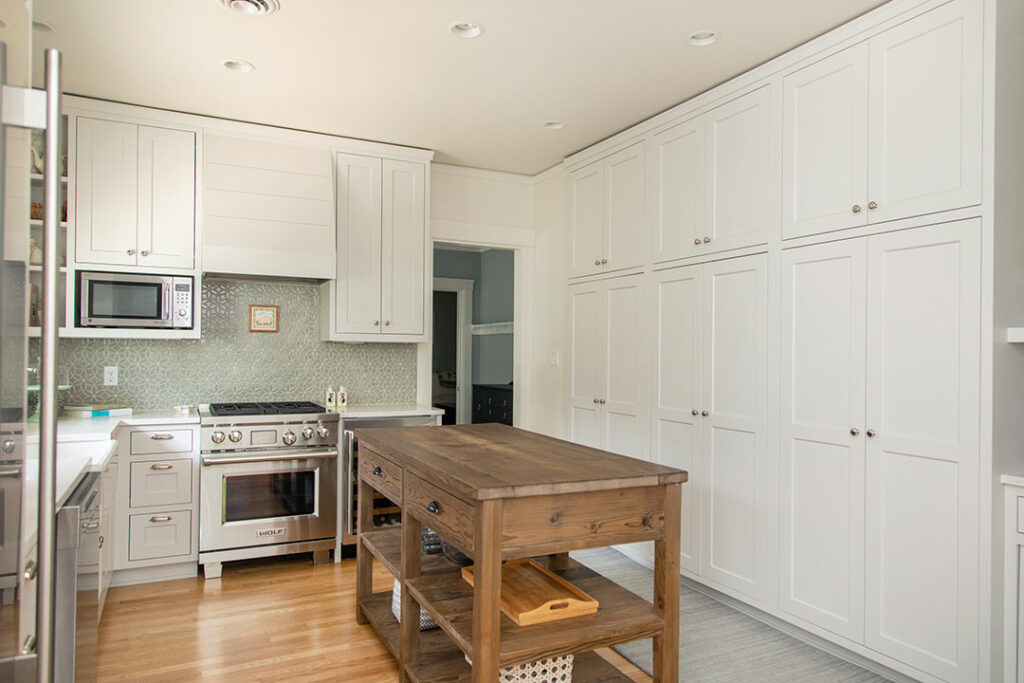
The homeowners of this Dudgeon-Monroe neighborhood home in Madison wanted to add efficiency and functionality without adding more square footage. We opened up the cramped kitchen to include a corner banquet seating area and an adjacent small office. Below, the basement was converted into a spacious living area complete with, among other things, two private guest bedrooms.
Why a Design-Build Approach Solves Layout and Flow Problems in Your Home
Fixing poor home flow requires a holistic approach to remodeling that balances design and architectural construction from the very beginning. The design-build method brings designers, architects, and project developers together under one umbrella where conversations happen early on in the process.
Layout changes, structural feasibility, and budget considerations are addressed together, which reduces surprises later. Design intent is weighed against realistic architectural potential within one team rather than with separate designers and contractors.
The design-build remodeling approach is especially important during architectural redesign, where walls, openings, and circulation paths are being reworked. When teams operate in silos, flow issues often surface mid-project, leading to compromises or costly changes. Design-build keeps the focus on how the home will function once completed, ensuring the redesigned layout supports the finishes that follow.
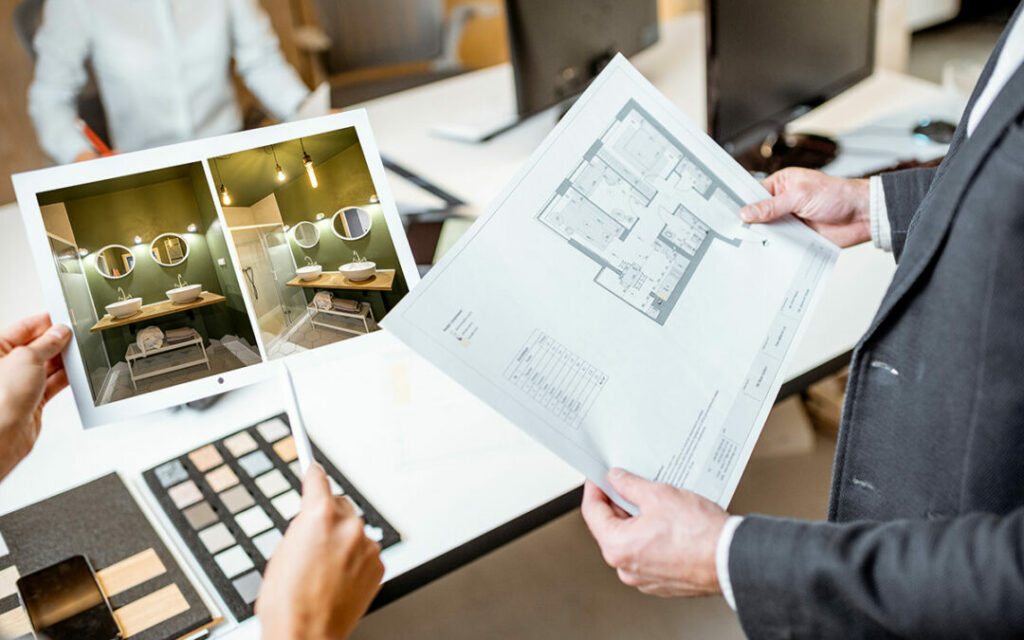
“When we design and build as one team, we’re able to look beyond finishes and create a layout that truly supports how the home should feel and function,” says Linda.
Invest in Structure Before Finishes to Improve Home Flow
Aesthetics are incredibly important in home remodeling, but for a property to look and function at its best, lasting improvement starts with how the home is structured. When poor home flow affects daily life, fixtures and finishes alone cannot deliver meaningful change.
Architectural redesign addresses a poor home layout at its core by reshaping the flow, function, and structure thereby creating interior spaces that feel easier to move through and more aligned with modern homeowner lifestyles. This delivers long-lasting value. By investing in the bones of the home first, the beauty that follows has a far stronger foundation.
At Sweeney Design Remodel here in Madison, WI, we’ve been helping homeowners create the homes of their dreams since 1954.
Work with Madison’s Top Home Remodeling Experts
As one of the most trusted names in remodeling, we ensure fantastic results for every project we complete. Our 4-step design-build methodology seamlessly integrates both the design and build elements of a project.
Our experienced and friendly team guides homeowners through a proprietary design-build process where customers remain informed, engaged, and 100% satisfied. We can do the same with you.
Take a look at our special approach to home remodels, sign up for our newsletter, and reach out to us directly. We look forward to discussing how we can help you achieve the perfect home.